
Office Design Trends for 2026
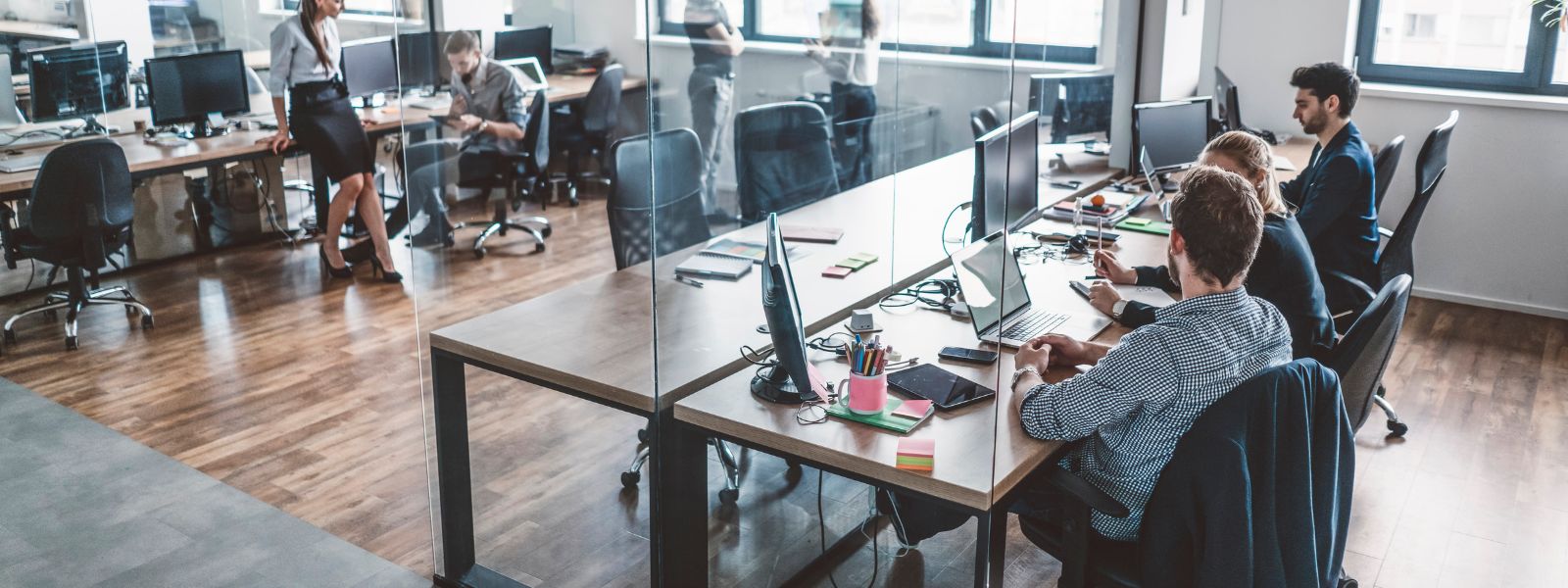
Here at Apex, we design workspaces that look impressive, feel great to use and, most importantly, help people to do their best work. Now, in 2026, office design is no longer about squeezing desks into smaller spaces, it’s all about making an environment that focuses on collaboration, wellbeing and flexibility.
1. Zoning That Matches How People Work
The most productive offices are planned around tasks, not titles. Instead of one-size-fits-all open plan layouts, we’re seeing a move towards “activity-based” zoning: distinct areas designed for specific types of work. This reduces friction (and noise) while making it easier for teams to choose the right setting at the right time.
Important areas that help to improve day-to-day performance includes:
- Quiet focus spaces for concentration and important phone calls
- Private rooms for confidential discussions, HR conversations and sensitive client calls
- Recharge spaces to help prevent employee burnout
- Collaboration areas that invites teamwork without disrupting other employees

2. The Importance of Acoustics and Lighting
Sound is one of the biggest productivity killers within busy offices, especially for tasks that involve writing, analysis and problem-solving. Implementing practical improvements such as acoustic panels, insulated meeting rooms and sound-absorbing finishes can all help to reduce cognitive fatigue.
Offices are beginning to move towards layered lighting schemes that support different activities whilst helping to reduce eye strain. Balanced daylight, glare control and adjustable task lighting helps people to stay comfortable and alert throughout the day.
3. Technology That Disappears Into the Design
The most effective office technology is the kind that people don’t have to think about. Practical upgrades that make a big difference include:
- Reliable video meeting setups with good audio and camera positioning
- Room booking to reduce wasted time and space
- Power and charging everywhere (without trailing cables)
- Seamless connectivity so people can work from any zone without disruption

4. Think About Furniture and Ergonomics
Productivity isn’t just about concentration, it’s also about comfort. Things such as ergonomic seating, height-adjustable desks and even flexible furniture all contribute towards healthier working habits. We’re also seeing a growth in inclusive design, with spaces are furniture that are made to work for different body types, needs and working styles, making the office more welcoming for everyone.
Take a Look at Some of Our Previous WorkDesigning for Productivity
The best office design trends for 2026 are based around how people actually work: focused time, collaboration when it matters and a workplace that is able to support wellbeing. At Apex, we help organisations translate those priorities into layouts, materials and solutions that boost productivity. If you want a workplace that performs as well as it looks, start with the behaviours you want to enable — and design from there.
Looking to revamp your space to follow the 2026 trends? Get in contact with a member from our team and we’ll be more than happy to help.